
The Frequency Paradox
It's rather interesting how something as simple as the frequency of service can make or break a public transport route. But the question is, why does this happen?

THE FREQUENCY PARADOX | BUILDING BEAUTIFULLY
Hey!
Thanks for taking the time to read the first post on the Building Beautifully Substack. This is where I share my thoughts on interesting topics that aren’t covered on the channel, or maybe they will be in the future. But here’s where you’ll read about them first. This post will be a free article, but the majority of future articles will be paid.
There will be around 4 articles a month, plenty of light reading material.
Today’s post is going to be about the “Frequency Paradox” and how it relates to public transportation. I bet that got your attention!
Courtesy of TransportNSW
It's quite interesting how something as simple as the frequency of service can make or break a public transport route. But why does this happen? You might wonder what are the primary factors that affect public transport frequency? Once we know, we have to ask what can be done to optimise it? These are the questions we'll be exploring in this post. The good news is that by the end of this article, you'll have a better understanding of the frequency paradox and how it can be addressed.
So, what is the frequency paradox, you ask? Well, it’s not so black and white. In short, usually you can’t have good patronage without good frequency and can’t have good frequency without good patronage. It’s like the chicken and egg scenario, which comes first? However, sometimes that's not the case. In fact, sometimes decreasing the frequency of service can actually lead to an increase in ridership.
For example, the implementation of the CBD and South East Light Rail service in 2019 wasn’t all positive for having high frequency traffic. When the Light Rail service was initially introduced in Sydney, the frequency of the service was a bit too high, with trams arriving every 4 minutes on average. As a result, the service actually struggled to attract ridership, and the operating costs were much higher than initially expected. This became an issue, real quick.
So what was done to address this? The frequency of the Light Rail service was halved to every 8 minutes, and as a result ridership increased significantly. Surprisingly, having lower frequency led to a more efficient use of resources, while still providing a reliable and convenient service for commuters. The success of the Light Rail in Sydney demonstrates how finding the right balance in frequency can have a significant impact on the success of a public transport service.
I. The Frequency Cake Dilemma
The frequency paradox is like trying to bake a really good cake. If you add too much flour, the cake will be dry and hard to eat. But if you add too little flour, the cake will be flat and won't rise or form a structure. Indeed, finding the right balance between the ingredients is key.
Throughout this article, I’ll be exploring the different factors that affect public transport frequency, the effects of low and high frequency on ridership and revenue, and some interesting strategies to optimise public transport frequency. It may sound complicated, but don't worry, I’ll break it down step by step.
Courtesy of the Sydney Morning Herald
II. Factors that affect Public Transport Frequency
So what factors affect frequency? Public transport frequency is like a game of Jenga: it's a delicate balance between various factors that can impact the stability of the service.
Passenger Demand
This one is pretty self explanatory. If there are a ton of people lining up for the bus or train, it's probably a good idea to increase the frequency of service. On the flip side, if there are hardly any people using the service, it might make sense to reduce the frequency of service to save costs. In practice, more passengers come from higher density living. But I’ll get into that later.
Available Resources
In order to run a public transport service, you need resources like funds, competent and trained staff, and equipment. It's like baking a cake - you wouldn't put the fat controller in charge of minding it. If the resources are limited, then the frequency of service may have to be adjusted to ensure that the service remains financially sustainable. Public transport already doesn't make a profit as it is, so this will always be a bit of a strain.
Competition from other modes of transportation
In a world where there are lots of transportation options available - private transport like cars, bikes, scooters, skateboards, and ride-sharing services. Public transport may have to step up its game. If there are convenient and affordable alternatives, then the frequency of service may have to be adjusted to ensure that public transport remains a competitive option. This is especially true in Sydney, where car culture is strong and in certain areas, almost demands a car to get around! In one of my previous YouTube videos, I talked about the mess in our toll roads in Sydney. This issue is partially indicative of the fact that so many people like to drive everywhere, and in some cases that’s not by choice!
Operating Costs
Running a public transport service can be expensive. Fuel, maintenance, and other expenses can add up quickly. As a result, the frequency of service may need to be adjusted to keep costs under control. Remember that public transport services work on a budget too, and that is always changing!
According to a study conducted by the Public Transport Users Association (PTUA) in 2020, the operating cost per patron for Sydney public transport was estimated to be around $1.55 per passenger-kilometer travelled. In comparison, the operating cost per kilometer for a car was estimated to be around $0.81. However, it's important to note that these figures only take into account the direct operating costs, such as fuel and maintenance, and do not include other indirect costs like parking fees, insurance, and tolls.
Route length and complexity
Think of public transport like a Rubik's Cube - the more complex the puzzle, the more resources you'll need to solve it. Longer and more complex routes may require more resources to operate, which can impact the frequency of service. The longer the route, the greater amount of rolling stock is required. If a train takes 30 minutes to complete a round trip on a line, you need 6 trains to run one every 5 minutes. Whereas to do the same on a line that takes an hour round trip, you need 12. This figure scales the longer the round trip is. Think about how much it costs to buy and maintain just one of these units. Same old problem, we have limited resources.
Courtesy of Sydney Expert / Sydney Travel Guide
III. Effects of Low Frequency on Public Transport Routes
Low frequency can be a real downer for public transport routes. Let's dig a little deeper and explore some of the effects it can have.
Decreased Ridership
Honestly, who wants to wait for a bus that might not even show up? I know I don’t enjoy that. When people have to wait too long for the next bus or train, they might just decide to take their car or bike instead. Seems fair right? But this hurts the public transport service, as decreased ridership can lead to reduced funding and resources. If reduced funding and resources leads to low frequency and low ridership, and that leads back to reduced funding due to low perceived demand? It’s like a spiral effect, leading to further effects such as longer wait times.
Longer wait times
Waiting for public transport can sometimes feel like waiting in line at a theme park, or in a traffic jam at peak hour - not exactly a fun experience. Especially if you're on your way to work, school, a sports game or an important appointment. Longer wait times can be frustrating and inconvenient for passengers who depend on public transport to get around. Totally understandable.
Reduced Reliability
When public transport routes have low frequency, it can be hard to plan a journey with confidence. Just like a game of Poker with a shaky hand and a bad memory, when the service is less predictable and less likely to arrive on time, it can be tough to keep everything on track. I know we all have relied on transport times to get somewhere and been late.
Negative impact on revenue
Lower ridership means less revenue for the public transport service, and that's a big loss. It's like a domino effect - less revenue means less resources to operate the service, which means even lower frequency, which means even fewer riders, and so on. These four negative effects can coalesce to create a terrible death spiral, and that’s a tough problem to fix.
Courtesy of Yahoo News
IV. Effects of High Frequency on Public Transport Routes
So what happens when public transport routes have a high frequency of service. It’s a lot more positive, and that doesn’t come as a surprise.
Increased Ridership
When people don't have to wait for a long time for the next bus or train, they are more likely to use the service. Indeed, high frequency can lead to an increase in ridership for the public transport service. This creates a positive flywheel effect again, as increased riders mean the government is more likely to provide additional funding and resources.
Shorter Wait Times
Honestly, who likes to wait for anything, let alone public transport? High frequency means shorter wait times for passengers, which is a win for everyone. This can be particularly important for people who need to be on time for work, school, or appointments. It's like when your food is ready faster than expected at a restaurant - you're going to be chuffed about that.
Improved Reliability
When the frequency of service is high, the service is more predictable and more likely to arrive on time. This can make it easier for people to plan their journeys and make connections, appointments, and deadlines. It's like having a reliable and trustworthy friend who you can always count on to be there for you. In this case, your friend is made of steel and weighs several tons. Lovely.
Positive impact on revenue when the demand is there
More ridership means more revenue for the public transport service. This can lead to service improvements, such as better maintenance, newer vehicles, and more routes. And that's more of a good thing for the service and the passengers! It's like when your business has more customers - you can invest in new equipment and improve your product or service. An endless positive feedback loop until things go wrong of course.
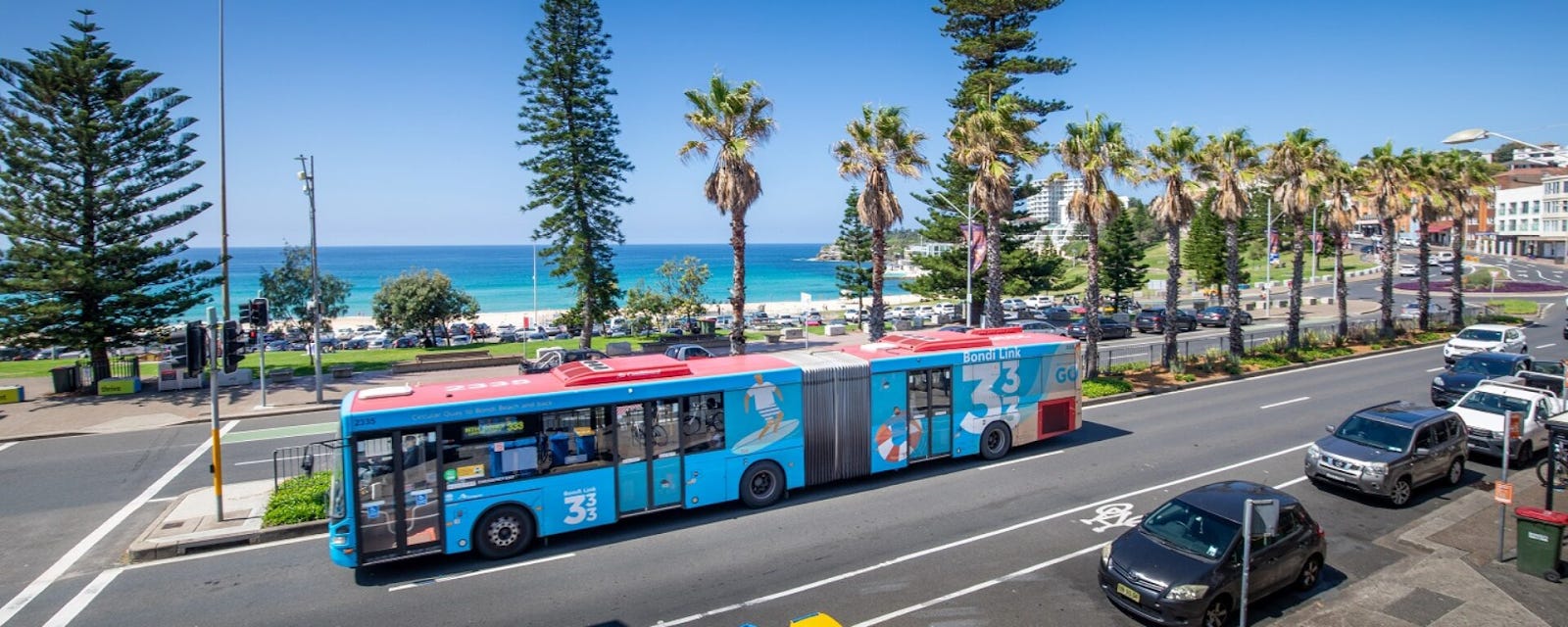
Courtesy of TransDev
V. Case Studies
Case studies can be very helpful in understanding the impact of low and high frequency on public transport routes. It's always interesting to see how theoretical concepts play out in the real world. There are plenty of examples of both low and high frequency routes to draw from.
Let's take a look at a couple of examples from Australia. In Melbourne, the Route 605 bus used to run every 40 minutes on weekdays, which made it difficult for passengers to rely on. Unsurprisingly, this led to a decline in ridership and revenue for the service. However, after the frequency was increased to every 20 minutes, the route saw a significant increase in ridership, with patronage increasing by 60% in the first year alone. The stats tell a story by themselves.
The Gold Coast's “G:link” light rail system is an example of a high-frequency service that has been incredibly successful. With services running every 7.5 minutes during peak times and every 15 minutes at other times, the G:link has become a convenient and reliable option for commuters and visitors alike. As a result, the system has seen a steady increase in patronage and revenue since its launch in 2014.
In Sydney, the 651 is a bus that runs infrequently in my neighbourhood and therefore has poor patronage. But it also has a rather silly route; it goes from Epping to Rouse Hill, even though you can already do that by metro which is much faster. So sometimes low patronage is due to indirectness, which is particularly a problem with bus routes. If there is a better alternative, why take it? Sometimes it’s not the frequency that is a direct reason why a route is not chosen.
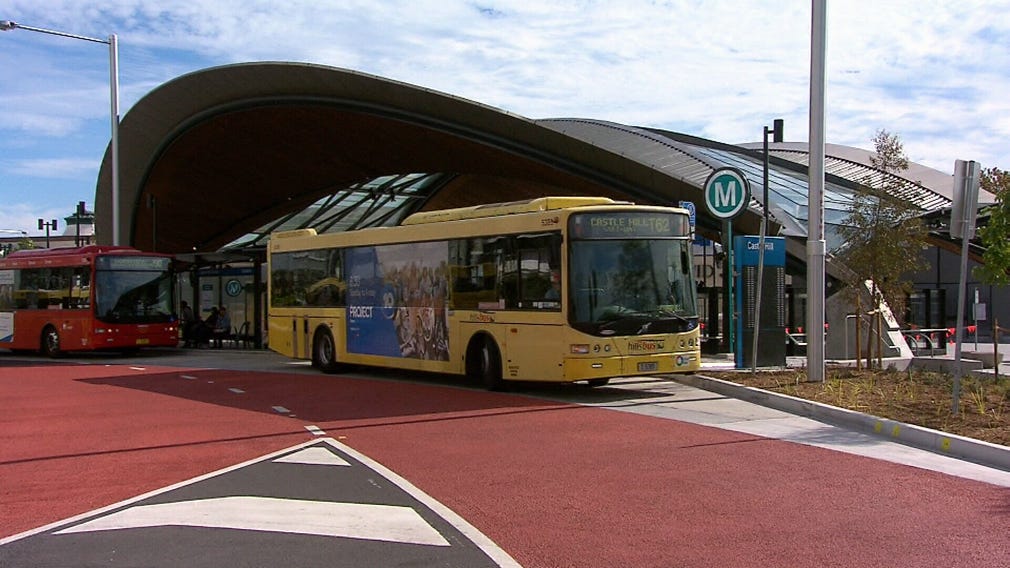
Courtesy of Nine News
VI. Strategies to optimise Public Transport Frequency
Prioritising Buses
One such strategy is to prioritise buses on our roads. By providing dedicated lanes, signal priority, or other measures, buses can move more quickly through congested areas, reducing travel time and encouraging more people to use public transport. The good news is that this approach has been successfully implemented in Australia, such as the dedicated bus lane on the M2 motorway in New South Wales. This exists in certain parts of the M2, and on T-Ways. In short, more T-Ways would be the way to go moving forward!
Data Analytics
Another way to improve public transport frequency is to use data analytics to predict and respond to rider demand. Transport providers can analyse rider data such as boarding and alighting times and locations to optimise schedules and improve reliability. For example, in Melbourne, the public transport authority uses real-time passenger data to adjust frequency and ensure buses and trains are running on time. In Sydney we have an app called TripView that relies on real-time passenger data to adjust frequencies.
Capital Investment
To improve public transport frequency, public transport providers would need to invest more capital into resources such as vehicles, staff, and infrastructure. By investing in new technologies such as electric buses or autonomous vehicles, transport providers can attract more riders and improve frequency. For instance, Sydney has committed to investing in a new fleet of electric buses, reducing emissions and improving the reliability and frequency of services.
Collaboration with Private Sector
Transport providers can also collaborate with private ridesharing services such as bike-sharing or ride-sharing to offer more options for riders. By providing seamless integrations between different modes of transport, riders can enjoy a more connected and convenient transport experience. For example, in Perth, the public transport authority has partnered with a ride-sharing service to offer first and last-mile connections to train stations, making it easier for riders to access public transport.
The Density Solution
Honestly, one key factor to consider is the density of the surrounding area. A bus stop with a large population of apartment dwellers is likely to have higher demand and usage than one with mostly single-family homes. Continuing to develop down the path of higher density living could play a large role in optimising public transport frequency.
Therefore, increasing the frequency of buses or trains in high-density areas would be a smart move. The good news is that this can lead to higher ridership, more revenue, and a better overall transport experience for riders. By using data analytics to optimise scheduling, investing in more resources and infrastructure, and collaborating with other transportation providers, transport providers can achieve optimal frequency without breaking the bank.
Courtesy of BusWays
VII. Conclusion
Public transport frequency is a crucial factor that can affect generating ridership, revenue, and overall positive rider experience. Indeed, a frequent and reliable service can encourage more people to use public transport and lead to increased revenue for transport providers. Honestly, who doesn't want a stress-free and comfortable ride to work or school?
However, as we have seen, increasing frequency can come at a cost, and transport providers must strike a balance between demand and cost to achieve optimal frequency. This is what we call the frequency paradox. Transport providers need to consider factors such as infrastructure, staffing, and operational costs when determining the frequency of their services. That’s not an easy job.
The good news is that there are several strategies that transport providers can implement to optimise frequency and improve the overall rider experience. By implementing bus priority measures, using data analytics to optimise scheduling, increasing resources and funding, and collaborating with other transportation providers, transport providers can achieve optimal frequency and promote sustainable transport alternatives.
In conclusion, frequency is an important factor in public transport routes that affects ridership, revenue, and more. The frequency paradox highlights the need for public transport providers to balance cost and demand to achieve optimal frequency, and our transport providers can use a combination of strategies to optimise frequency and promote sustainable transport alternatives.
The effects of public transport frequency, whether it's high or low, has some significant effects on the everyday public transport user. While high frequency routes are generally positive, and low frequency routes are generally negative and resort in spirals in each respective direction it isn’t always the case. The public service should take into account all factors as to the frequency of each route and whether it's viable to increase or decrease the frequency for the best outcome to the end user. Using new technology developments like data analytics, integration with the private sector and ride-sharing and increasing high density living are all possible strategies to optimise public transport frequency, and make life better for all its users.

Thank you for reading! Here at Building Beautifully, we’re keen to share valuable insights into Sydney, from upcoming infrastructure projects, to projects lost to time, to the essentials of city planning, and everything in between.
If you enjoyed this article and you’re not subscribed to our paid newsletter, do consider subscribing! You’ll gain access to more in-depth articles on topics pertinent to all of us, from Sydney Metro to the Western Sydney Airport and more.
You can subscribe here with the button below.
Thank you so much for your support. We look forward to bringing you the best of Building Beautifully right here on Substack!
Regards,
Sharath Mahendran and the Building Beautifully team
Ridership is definitely an important topic. I appreciate you weaving in all these topics of transport, planning, and more. Hope you're well this week? Cheers, -Thalia
As an aspiring urban planner, I find your videos and posts to be quite informative and interesting. Keep it up!